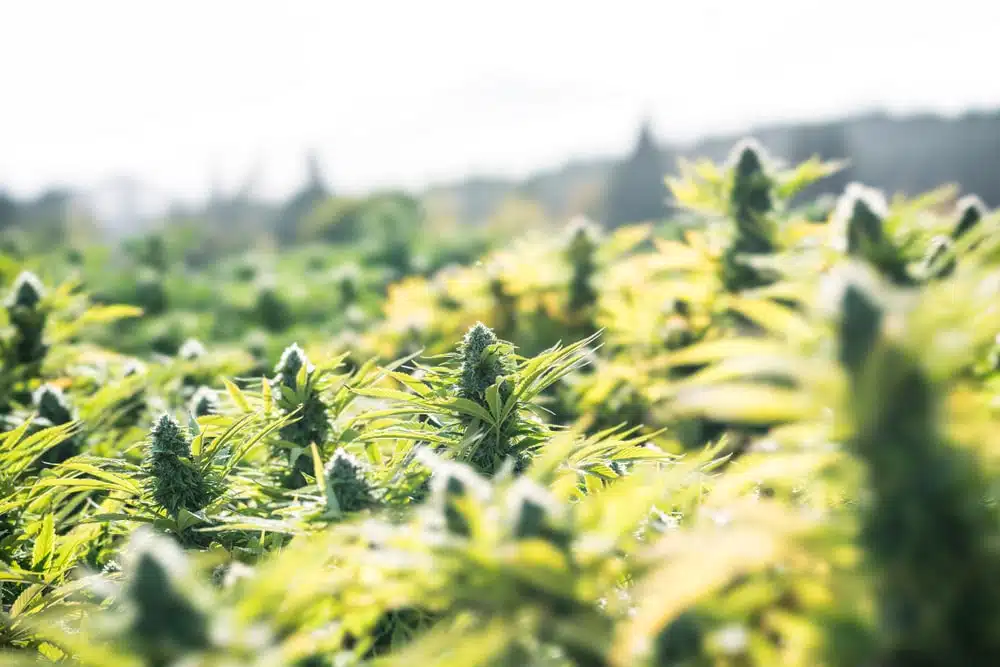

Ditchweed is wild cannabis that grows without cultivation, often along roadsides and fields. It’s low in THC, legally complex, and widely misunderstood. In this guide, we’ll break down what ditchweed really is, where it came from, and why it still sparks debate today.
Let’s Talk About Ditchweed (Without the Myths)
If you’ve ever heard someone joke about “weed growing in a ditch,” they weren’t completely wrong. It is real—and it has a surprisingly long, complicated history.
While it looks like marijuana and smells similar, ditchweed isn’t what most people think it is. It won’t get you high, but it can get you into legal trouble if you don’t know what you’re dealing with.
So let’s break this down in plain English.
What Is Ditchweed?
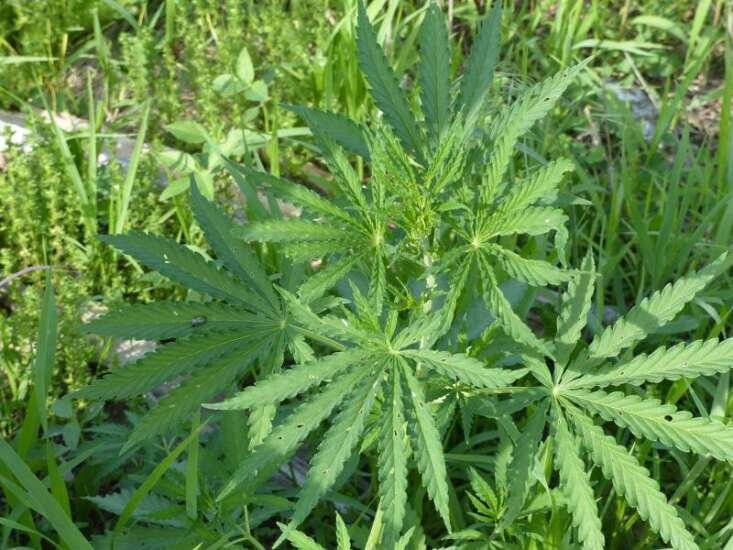
Ditchweed refers to wild or feral cannabis plants that grow naturally without human cultivation. These plants are typically found:
- Along roadsides
- In ditches (hence the name)
- Near old farmland
- Along railways and riverbanks
Key Characteristics of Ditchweed
- Extremely low THC (usually under 0.3%)
- High CBD or fiber content
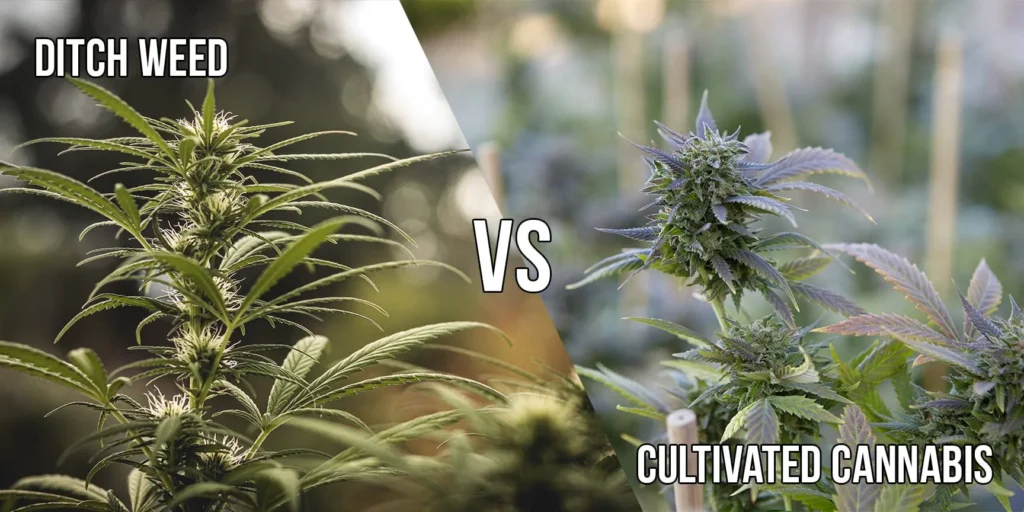
- Tall, thin plants with sparse buds
- Grows from self-seeding year after year
In short: it looks like cannabis, but it behaves more like wild hemp.
The History Behind Ditchweed
Here’s where it gets interesting.
Hemp’s Forgotten Legacy
During World War II, the U.S. government encouraged farmers to grow hemp for:
- Rope
- Canvas
- Military supplies
After hemp farming declined and regulations tightened, many plants were left behind. Over time, those plants:
- Self-seeded
- Adapted to local climates
- Spread uncontrollably
What we now call ditchweed is essentially hemp’s wild descendant.
Quick fact: Some Midwestern states still have millions of feral cannabis plants growing naturally.
Is Ditchweed the Same as Marijuana?
Short answer: No.
Long answer: It’s complicated.
Ditchweed vs Marijuana vs Hemp
| Feature | Ditchweed | Marijuana | Industrial Hemp |
|---|---|---|---|
| THC level | Very low | High | <0.3% |
| Grown intentionally | No | Yes | Yes |
| Psychoactive | No | Yes | No |
| Legal status | Gray area | Regulated | Legal (varies) |
Ditchweed falls closer to industrial hemp, but because it grows wild, it doesn’t fit neatly into existing laws.
Is Ditchweed Legal?
This is where people get tripped up.
Federal vs State Laws
Under U.S. federal law:
- Cannabis with less than 0.3% THC is considered hemp
- Hemp is legal—but only when licensed and regulated
Here’s the catch:
Wild cannabis is not licensed, even if it’s low-THC.
What That Means for You
- Possessing it can still be illegal
- Harvesting it may violate state or federal law
- Intent doesn’t always matter—possession is possession
Quick tip: Never assume wild cannabis is legal just because it won’t get you high.
Why Does Ditchweed Still Exist Today?
Good question—and there are a few reasons.
1. Natural Resilience
Cannabis is an incredibly hardy plant. Once it takes root, it’s hard to eliminate.
2. Inconsistent Eradication
Local governments often lack funding or incentive to remove non-psychoactive plants.
3. Agricultural Spread
Seeds travel easily through:
- Wind
- Animals
- Farming equipment
Once established, It spreads quietly and persistently.
Can Ditchweed Be Used for Anything?
Technically? Yes. Practically? Not really.
Potential Uses (Mostly Theoretical)
- Fiber production (poor quality)
- CBD extraction (very inefficient)
- Soil stabilization
- Wildlife habitat
Why It’s Rarely Used
- Low cannabinoid concentration
- Inconsistent plant genetics
- Legal barriers
- Poor commercial viability
Most experts agree: It isn’t worth harvesting.
Pros and Cons of Ditchweed
Let’s lay it out clearly.
Pros
- Naturally occurring
- Low THC (non-intoxicating)
- Historically significant
- Hardy and low-maintenance
Cons
- Legal risk
- No commercial value
- Poor-quality fiber
- Environmental nuisance in farming areas
- Common source of misinformation
Expert Perspectives on Ditchweed
Agricultural scientists and cannabis researchers generally agree on a few things:
- Ditchweed is genetically closer to hemp
- It poses no public health threat
- Legal ambiguity causes unnecessary confusion
- Eradication efforts are often symbolic, not effective
Some experts argue that clearer laws around feral hemp could reduce enforcement waste and public misunderstanding.
Common Myths About Ditchweed (Debunked)
Let’s clear the air.
Myth #1: You can smoke ditchweed and get high
→ You can try. You won’t succeed.
Myth #2: It’s legal because it’s wild
→ Wild does not equal legal.
Myth #3: Police can’t tell the difference
→ Lab tests absolutely can.
Myth #4: It’s valuable CBD flower
→ The yield is too low to matter.
What To Do If You Find Ditchweed
Here’s a simple step-by-step approach.
Step 1: Don’t Touch It
Even handling can cause issues in some jurisdictions.
Step 2: Don’t Harvest or Transport
That’s where legal trouble usually starts.
Step 3: Contact Local Authorities (If Necessary)
Especially if it’s on private land or interfering with agriculture.
Step 4: Leave It Alone
In most cases, that’s the safest option.
Environmental Impact of Ditchweed
It isn’t dangerous, but it can be disruptive.
Potential Issues
- Cross-pollination with cultivated cannabis
- Reduced THC levels in nearby crops
- Interference with farm planning
That’s why growers often advocate for removal in agricultural zones.
FAQs About Ditchweed
1. Is ditchweed the same as wild hemp?
Yes—it is essentially feral hemp.
2. Can ditchweed be used for CBD?
Technically yes, but it’s inefficient and impractical.
3. Why does ditchweed have seeds everywhere?
Wild plants prioritize reproduction over potency.
4. Is ditchweed illegal everywhere?
Laws vary by state, but possession is often restricted.
5. Does ditchweed smell like marijuana?
Yes, which is why it’s often mistaken for high-THC cannabis.
6. Can animals eat ditchweed?
Some wildlife interacts with it, but it’s not a major food source.
7. Why don’t authorities remove it all?
Cost, scale, and low public risk make eradication difficult.
Conclusion: Know What You’re Looking At
Ditchweed sits at the crossroads of history, agriculture, and cannabis law. It’s harmless in effect, but not harmless legally.
The smartest move?
Understand it, respect the law, and don’t experiment with wild plants.
If you’re interested in cannabis education, hemp history, or evolving regulations, keep learning—and stay curious without taking unnecessary risks.


