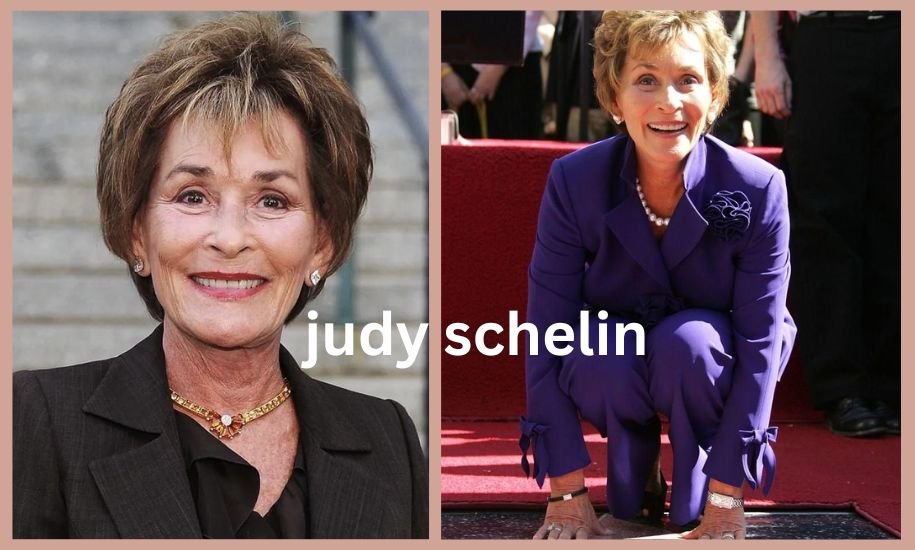

In 2010, a federal bribery case concluded in a Florida courtroom, resulting in the conviction of a childcare and youth-program administrator. Years later, this conviction resurfaced in an unexpected context, prompting renewed scrutiny. The case of Judy Schelin highlights broader issues related to oversight, transparency, and trust in institutions responsible for the care of children.
The story of Judy Schelin, who also appeared in public records under other surnames, extends beyond a single criminal conviction. It illustrates how past misconduct can resurface in public view, how background-check systems can falter, and how organizations struggle to balance rehabilitation with accountability. At its core, the case provides insight into the vulnerabilities within childcare administration and the safeguards in place to protect families and public trust.
From Administrator to Conviction
A Career in Childcare Administration
Before her name became associated with controversy, Schelin worked in childcare and youth-focused administrative roles in Florida. These positions involved oversight of programs funded in part through public money, placing administrators in roles that required strict adherence to financial and ethical standards.
Childcare administrators are typically responsible for budgeting, compliance with government regulations, and coordination with service providers. Because these programs serve vulnerable populations, the expectation of integrity is particularly high.
The 2010 Bribery Case
That expectation was called into question in 2010, when Judy Schelin pleaded guilty to accepting bribes while administering a youth education program. According to court findings, she accepted approximately $40,000 in improper payments tied to her administrative authority. Her conviction fell under the federal statute 18 U.S.C. § 666, which addresses theft or bribery concerning programs receiving federal funds, emphasizing the seriousness of the offense.
Federal prosecutors argued that the conduct represented a misuse of public trust, particularly because it involved programs intended to support children and families. Bribery in publicly supported programs is treated as a serious offense because it distorts decision-making and diverts resources away from their intended purpose.
Judy Schelin was convicted and sentenced under federal law, marking a definitive end to that chapter of her professional life — or so it appeared at the time.
A Reappearance and Renewed Scrutiny
Employment Years Later
Several years after the conviction, Judy Schelin again entered the public spotlight when she was employed at a private religious school in Florida. The role placed her in a setting involving children, though outside the direct oversight of public school systems.
At the time of her hiring, questions later emerged about whether her criminal history had been fully disclosed or identified during the vetting process. Private and religious institutions often follow different screening standards than public schools, a distinction that would soon become central to the controversy.
Public Discovery and Termination
When media reports connected her employment to her prior conviction, the response was swift. Parents and community members raised concerns, prompting the institution to terminate her employment shortly after the information became public.
The decision reflected not only community pressure but also the broader reality that organizations serving children often adopt a zero-tolerance posture toward serious past misconduct, particularly when it involves abuse of authority or public funds.
The Complication of Multiple Identities
A notable aspect of the case is that Judy Schelin appeared under multiple surnames across public records. While name changes are legally common, especially through marriage or divorce, they can complicate background checks when systems do not effectively link aliases.
Experts in compliance and risk management note that incomplete identity matching is a known weakness in many screening processes. Without robust cross-referencing, individuals with past convictions may pass through hiring filters unintentionally, exposing organizations to reputational and legal risk.
Perspectives on Accountability and Rehabilitation
Arguments for Second Chances
Supporters of rehabilitation emphasize that individuals who have completed their sentences should not face permanent exclusion from employment. From this perspective, continued punishment beyond legal sentencing undermines reintegration and can contribute to long-term social and economic marginalization.
Some advocates argue that Schelin’s offense, while serious, did not involve direct harm to children and therefore should not automatically disqualify her from all child-adjacent roles indefinitely.
Concerns from Child Safety Advocates
Critics counter that roles involving children demand the highest ethical standards, even when misconduct is financial rather than physical. They argue that abuse of authority in publicly funded youth programs signals a risk that institutions cannot afford to overlook.
From this viewpoint, the issue is not retribution but precaution — ensuring that those entrusted with children meet rigorous standards of trustworthiness.
What the Case Reveals About Oversight
Limits of Background Checks
The Schelin case underscores the uneven nature of background-check systems in the United States. Screening requirements vary widely by state, sector, and institution type. Private organizations may rely on narrower checks, while public institutions are often bound by stricter rules.
Experts point out that no system is flawless, but stronger integration between criminal records, alias tracking, and employment screening could reduce blind spots.
Policy Tensions
At a policy level, the case highlights a persistent tension:
- Protecting children and public trust
- Allowing pathways for rehabilitation and employment
Legislators and regulators have long debated whether certain felony convictions should permanently bar individuals from childcare roles or whether individualized assessments are more appropriate.
Implications for Institutions and Communities
In the short term, cases like this often prompt institutions to:
- Reevaluate hiring and disclosure policies.
- Strengthen background-check procedures
- Clarify internal standards for sensitive roles.
Over the long term, experts anticipate continued debate over national standards for childcare employment, particularly in private and religious settings where regulation is less uniform.
Looking Ahead
The Judy Schelin case remains instructive not because it is unique, but because it reflects systemic challenges. As communities continue to demand transparency and accountability from institutions serving children, scrutiny of hiring practices is unlikely to diminish.
At the same time, broader conversations about criminal justice reform and reintegration will continue to shape how society evaluates past misconduct against present responsibility.
Conclusion
The story of Judy Schelin sits at the intersection of ethics, oversight, and trust. It raises enduring questions about how institutions protect the vulnerable, how past convictions should shape future opportunities, and where society draws the line between accountability and forgiveness.
As similar cases emerge across sectors, the unresolved challenge remains: how to design systems that are both fair to individuals and uncompromising in their duty to protect children and the public trust.
You might also like: