

Once considered a niche form of body modification, auricle piercing has quietly become one of the most requested cartilage piercings in studios around the world. Seen on celebrities, students, professionals, and wellness enthusiasts alike, the auricle piercing sits at the intersection of fashion, tradition, and medicine—raising questions about safety, symbolism, and why it resonates so strongly now.
Why Auricle Piercing Matters Now
In recent years, the visibility of auricle piercing has increased dramatically. Social media platforms showcase carefully curated ear “constellations,” while piercing studios report growing demand for cartilage placements beyond the traditional lobe. At the same time, discussions around bodily autonomy, cultural expression, and even alternative health practices have brought renewed attention to this specific piercing location.
According to industry analysts, cartilage piercings—including auricle placements—now account for a significant share of professional piercing requests, particularly among people aged 18 to 35. What was once considered unconventional is increasingly normalized, prompting broader conversations about its implications.
Understanding Auricle Piercing
What Is an Auricle Piercing?
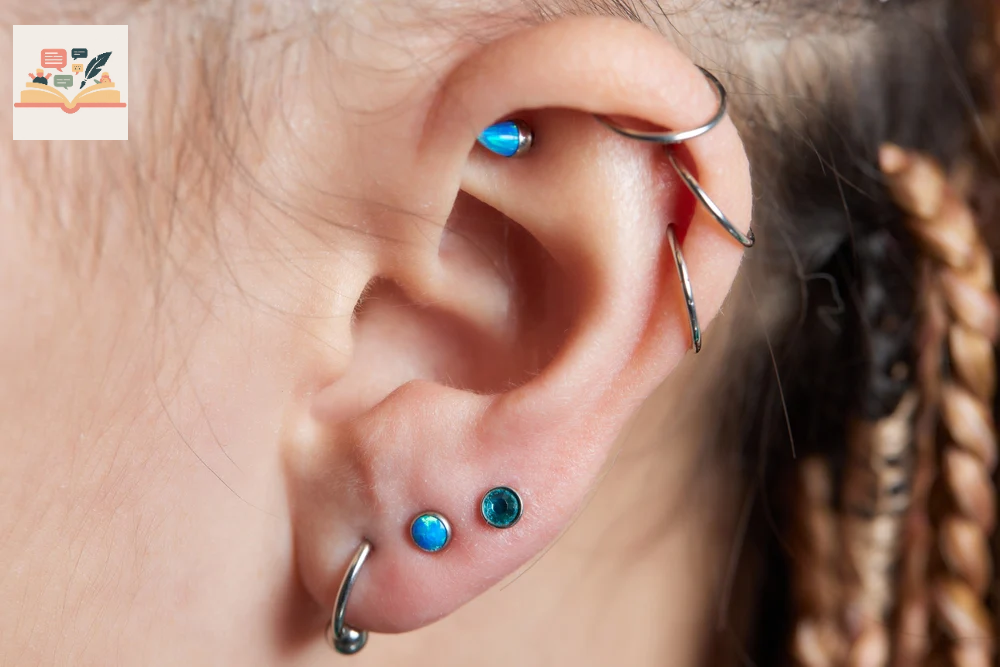
The auricle is the visible, outer portion of the ear, composed primarily of cartilage. An auricle piercing typically refers to a piercing placed along the outer rim or flat cartilage area of the ear, distinct from:
- Earlobe piercings (soft tissue)
- Helix piercings (upper rim)
- Tragus or conch piercings (inner ear cartilage)

In practice, the term “auricle piercing” is sometimes used broadly to describe piercings along the ear’s cartilage structure, though professionals may use more specific anatomical names.
Why Cartilage Is Different
Cartilage differs from soft tissue in several important ways:
- Lower blood flow, which can slow healing
- Greater structural rigidity, requiring precise technique
- Higher risk of complications if improperly performed
These factors make auricle piercing both appealing and controversial, depending on who is asked.
A Brief History of Auricle Piercing
Ancient Roots
Ear piercing is among the oldest known forms of body modification, with archaeological evidence dating back more than 5,000 years. While early examples often focused on the earlobe, historical records suggest that cartilage piercings were practiced in:
- Ancient South Asian cultures
- Certain African and Indigenous communities
- Maritime traditions among sailors
In many cases, auricle or cartilage piercings were markers of status, bravery, or spiritual belief.
Shifting Meanings Over Time
During the 20th century, cartilage piercings in Western societies became associated with counterculture movements. By the late 1970s and 1980s, punk and alternative communities embraced auricle piercing as a symbol of nonconformity.
What has changed in the 21st century is context. The piercing is no longer confined to subcultures; it appears in corporate offices, academic institutions, and mainstream fashion campaigns.
The Rise of Auricle Piercing in Modern Culture
Influence of Fashion and Media
Fashion editors and stylists note that ear jewelry has become a focal point of personal styling. Rather than a single statement piece, many individuals curate multiple piercings across the ear.
According to trend forecasters, auricle piercing appeals because it:
- Allows subtle customization
- Works with minimalist or bold aesthetics
- Can be easily concealed or highlighted
Celebrities and influencers have amplified this trend, often showcasing auricle piercings in editorial spreads and red-carpet appearances.
Social Media’s Role
Platforms like Instagram and Pinterest have accelerated visibility. High-resolution close-ups of ears adorned with fine jewelry have normalized cartilage piercings and reduced stigma once attached to them.
Experts point out that this visual exposure has also increased expectations, sometimes leading clients to underestimate the complexity of auricle piercing.
Medical and Safety Considerations
What Health Experts Say
Medical professionals emphasize that auricle piercing is not risk-free. Because cartilage heals more slowly than soft tissue, complications can be more serious if they occur.
Common concerns include:
- Infection
- Swelling and prolonged pain
- Keloid or hypertrophic scarring
- Cartilage damage if pierced incorrectly
Data from dermatology reports suggest that cartilage piercings account for a disproportionate number of piercing-related medical visits, despite being less common than lobe piercings.
Professional vs. Non-Professional Piercing
One key point of agreement among health experts is the importance of professional technique. Licensed piercers typically use sterile, single-use needles rather than piercing guns, which can cause blunt trauma to cartilage.
According to industry guidelines, safe auricle piercing requires:
- Anatomical assessment of the ear
- Sterile equipment and environment
- Proper jewelry material, such as implant-grade titanium or gold
Healing, Aftercare, and Long-Term Outcomes
Healing Timelines
Unlike earlobe piercings, which may heal within weeks, auricle piercing often requires several months—and sometimes up to a year—for full healing.
Typical healing stages include:
- Initial inflammation (first 1–2 weeks)
- Gradual reduction of swelling (1–3 months)
- Ongoing tissue strengthening (3–12 months)
Experts stress that premature jewelry changes or poor aftercare can prolong healing significantly.
Aftercare Practices
Professional piercers generally recommend:
- Cleaning with sterile saline solution
- Avoiding unnecessary touching or rotation
- Sleeping carefully to reduce pressure on the ear
While aftercare advice is widely available online, medical professionals caution against unverified home remedies.
The Wellness Debate: Myth and Reality
Claims of Therapeutic Benefits
In some wellness circles, auricle piercing is linked—often informally—to acupuncture and acupressure theories. Advocates claim potential benefits related to stress relief, migraines, or anxiety.
However, medical evidence remains limited. According to clinicians, while the ear does contain nerve endings, there is insufficient scientific data to support broad therapeutic claims tied specifically to auricle piercing.
What the Research Suggests
Researchers note that perceived benefits may be influenced by:
- Placebo effect
- Personal belief systems
- Temporary nerve stimulation
As a result, most medical authorities advise viewing auricle piercing primarily as a form of body modification rather than treatment.
Cultural Perspectives and Personal Meaning
Identity and Self-Expression
For many wearers, auricle piercing carries deeply personal significance. Interviews with piercing clients reveal motivations such as:
- Marking a life transition
- Reclaiming bodily autonomy
- Expressing creativity or individuality
Sociologists point out that body modification often reflects broader social values, particularly around identity and self-determination.
Cultural Sensitivity and Appropriation
As auricle piercing draws inspiration from diverse cultural traditions, some critics raise concerns about appropriation. Cultural historians emphasize the importance of understanding historical context rather than treating traditional practices as mere trends.
Economic Impact and the Piercing Industry
Growth of Professional Studios
The rising popularity of auricle piercing has contributed to growth in the professional piercing industry. Studios now invest in:
- Advanced training for cartilage techniques
- Higher-quality jewelry inventory
- Stricter hygiene protocols
Industry data suggests that cartilage piercings often generate higher revenue per client due to longer appointments and specialized jewelry.
Regulation and Standards
In many regions, piercing regulations vary widely. Public health officials continue to debate whether additional oversight is needed, particularly as more people seek auricle piercing outside licensed studios.
Public Perception and Workplace Acceptance
Changing Norms
Once viewed as unprofessional, visible ear cartilage piercings are increasingly accepted in workplaces. Surveys conducted by human resource organizations indicate a gradual shift toward more inclusive appearance policies.
However, acceptance remains uneven across industries and regions.
Generational Differences
Younger generations tend to view auricle piercing as neutral or even conventional, while older demographics may still associate it with rebellion. Analysts suggest these perceptions will continue to evolve as norms change.
What Comes Next for Auricle Piercing
Short-Term Outlook
In the near term, experts expect demand to remain strong, driven by:
- Continued social media influence
- Expansion of minimalist jewelry designs
- Increased education around safe piercing practices
Long-Term Considerations
Over time, the conversation may shift toward:
- Stronger regulation and certification standards
- Greater collaboration between piercers and medical professionals
- More nuanced public understanding of risks and benefits
Some analysts also predict that auricle piercing will eventually lose its “trend” status and become a standard option alongside traditional ear piercings.
Conclusion: A Small Piercing with Broad Implications
Auricle piercing may appear minor, but its rise reflects larger cultural currents—about identity, autonomy, health awareness, and aesthetic choice. As fashion trends come and go, the piercing’s deeper significance lies in how society negotiates the boundaries between self-expression and safety.
Whether embraced as art, tradition, or personal milestone, auricle piercing continues to prompt thoughtful discussion. The question moving forward is not whether it will remain popular, but how understanding, regulation, and cultural awareness will shape its place in modern life.
FAQs
What is an auricle piercing?
An auricle piercing is a cartilage piercing placed on the outer visible part of the ear, excluding the soft earlobe.
Is auricle piercing safe?
When performed by a licensed professional using sterile equipment, auricle piercing is generally safe, though cartilage carries higher risks than lobe piercings.
How long does an auricle piercing take to heal?
Initial healing typically takes 3 to 6 months, while full healing can take up to a year.
Does auricle piercing hurt more than lobe piercing?
Most people report more discomfort than a lobe piercing due to cartilage density, but pain is usually brief and manageable.
Can auricle piercing cause infections?
Yes. Cartilage piercings are more prone to infection if aftercare is poor or if pierced with improper tools.
Are there proven health benefits to auricle piercing?
There is no strong medical evidence supporting therapeutic benefits; any perceived effects are largely anecdotal.


