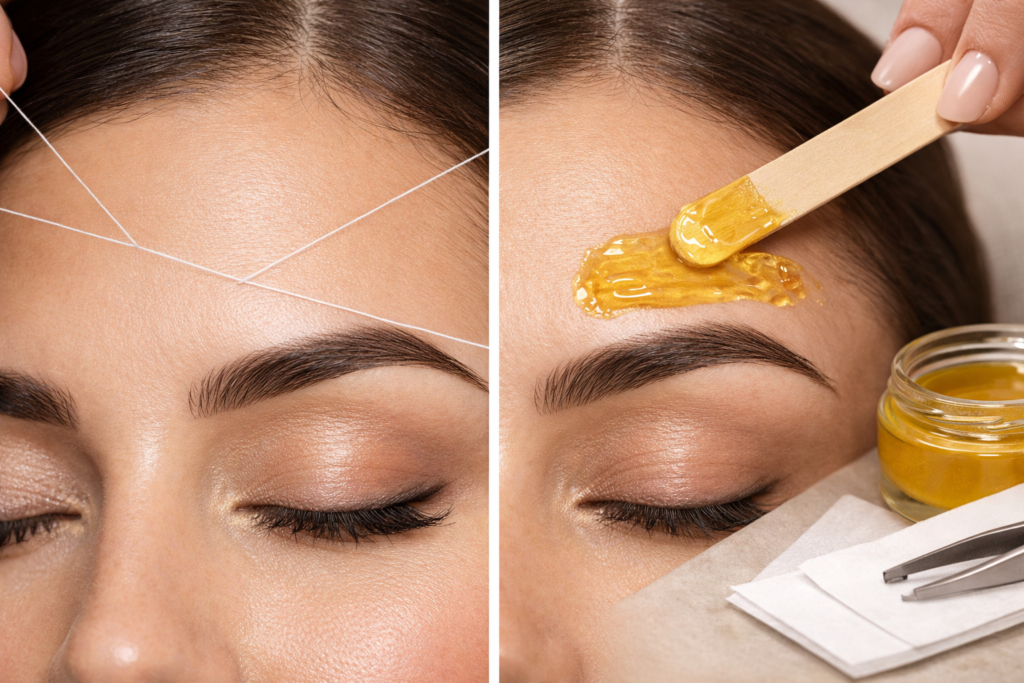

Eyebrow threading vs waxing is a common beauty dilemma. Both shape brows beautifully, but they differ in pain level, precision, skin safety, and results. In this guide, we’ll break down the pros, cons, expert insights, and real-life scenarios—so you can confidently choose the method that fits your skin, style, and schedule.
Let’s Break This Down: Why Eyebrow Hair Removal Matters
Your eyebrows frame your face more than almost any other feature. A small tweak can make you look refreshed, polished, or—if done wrong—a little surprised 😅.
That’s why choosing the right eyebrow hair removal method isn’t just about convenience; it’s about skin health, long-term results, and personal comfort.
Two of the most popular options dominate salons worldwide:
Both get the job done—but they do it very differently.
Background: The Rise of Threading and Waxing
A quick beauty history moment
- Threading dates back thousands of years, originating in South Asia and the Middle East. It was traditionally used for precise facial hair removal and is still considered an art form in many cultures.
- Waxing became popular in Western beauty salons in the 20th century as a fast, efficient way to remove hair from larger areas.
Today, both methods are mainstream, affordable, and widely available—but popularity doesn’t mean one-size-fits-all.
What Is Eyebrow Threading?
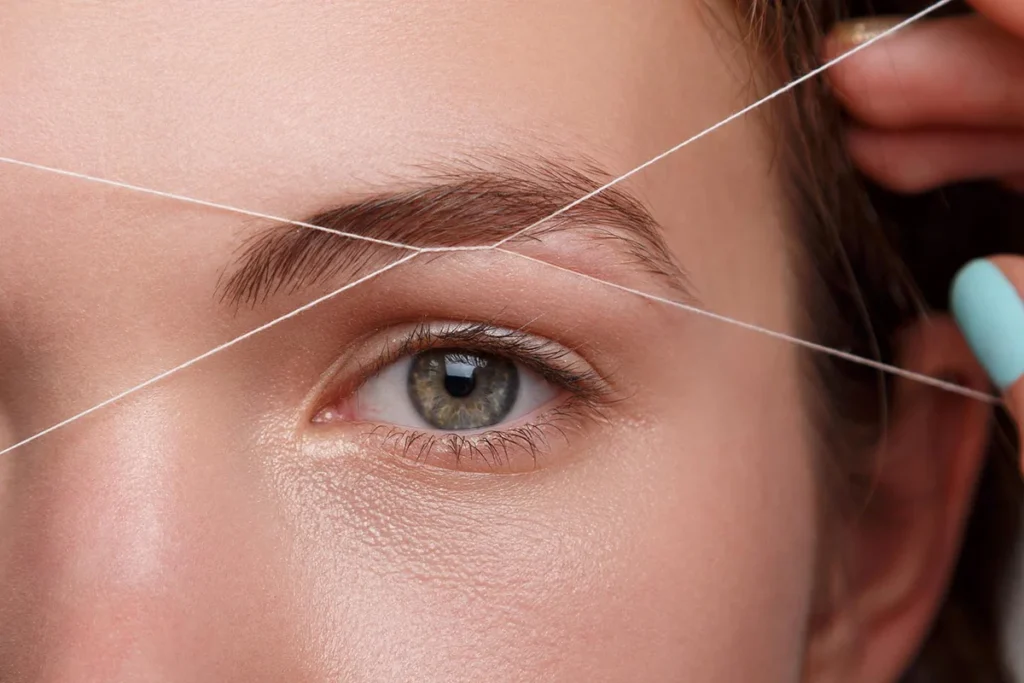
Eyebrow threading uses a twisted cotton thread to trap and pull out hair directly from the follicle.
How threading works (step by step)
- A trained technician loops cotton thread
- The thread is twisted and rolled over unwanted hair
- Hair is removed one by one or in precise rows
- Brows are shaped with sharp definition
Quick tip: No chemicals, no heat, no sticky residue—just thread and technique.
What Is Eyebrow Waxing?
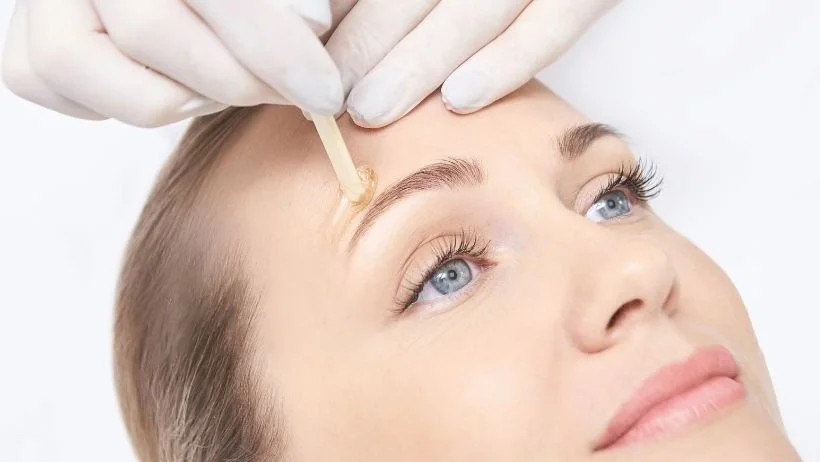
Eyebrow waxing removes hair using warm or cold wax that adheres to multiple hairs at once.
How waxing works (step by step)
- Wax is applied around the brow area
- A strip (or hard wax) is placed over the wax
- The wax is pulled off quickly, removing hair from the root
- Tweezers may refine the shape
It’s fast, efficient, and ideal for those who want results in minutes.
Eyebrow Threading vs Waxing: Side-by-Side Comparison
| Feature | Eyebrow Threading | Eyebrow Waxing |
|---|---|---|
| Precision | Very precise | Moderate |
| Pain level | Mild–moderate | Moderate–high |
| Skin safety | Excellent for sensitive skin | Can irritate sensitive skin |
| Speed | Moderate | Very fast |
| Hair regrowth | 2–4 weeks | 3–6 weeks |
| Cost | Usually affordable | Slightly higher |
| Risk of burns | None | Possible (hot wax) |
Pain Level: Which One Hurts More?
Let’s be honest—neither is completely painless.
Threading pain
- Sharp, quick sensation
- Feels like tiny pinches
- Usually fades instantly
Waxing pain
- Intense for a split second
- Removes many hairs at once
- Can linger, especially on sensitive skin
Expert insight:
Many estheticians agree that threading feels less traumatic over time because it doesn’t pull on the skin itself—only the hair.
Skin Sensitivity: A Major Deciding Factor
If you have sensitive, acne-prone, or reactive skin, this section matters most.
Threading is ideal if you have:
- Rosacea
- Acne around brows
- Thin or aging skin
- History of hyperpigmentation
Waxing may cause issues if:
- You use retinol or exfoliating acids
- Your skin is sunburned or irritated
- You’re prone to redness or bumps
Quick tip: Waxing over retinol-treated skin can cause lifting—yes, actual skin lifting. Always disclose skincare products to your technician.
Precision & Shape: Who Wins?
When it comes to clean lines and sharp arches, threading usually takes the crown 👑.
Why threading is more precise:
- Removes hair one strand at a time
- Better control over shape
- Ideal for defined or sculpted brows
Waxing is great for maintenance, but threading shines when you want:
- A dramatic arch
- Clean tails
- Symmetry correction
Hair Type Matters More Than You Think
Threading works best for:
- Fine to medium hair
- Short regrowth
- Detailed shaping
Waxing works best for:
- Thick or coarse hair
- Fast-growing brows
- Larger cleanup areas
If your brows grow fast and full, waxing may last longer between sessions.
Longevity: How Long Do Results Last?
- Threading: 2–4 weeks
- Waxing: 3–6 weeks
Waxing often removes hair more deeply and in larger quantities, which can slow regrowth slightly.
That said, consistent threading can weaken follicles over time, leading to finer regrowth.
Hygiene & Safety Considerations
Threading uses:
- Single-use thread
- No chemicals
- Minimal risk of infection
Waxing requires:
- Proper wax temperature
- Clean applicators
- Skilled timing
Pro tip: Always choose a licensed professional. Poor technique—not the method—is usually the problem.
Cost Comparison: Threading vs Waxing
Prices vary by location, but generally:
- Threading: Lower to mid-range cost
- Waxing: Slightly higher, especially in high-end salons
Threading is often more affordable for regular upkeep.
Expert Opinions: What Do Professionals Recommend?
Many dermatologists recommend threading for facial areas due to reduced skin trauma.
Estheticians often suggest:
- Threading for sensitive or acne-prone clients
- Waxing for thicker hair and quick maintenance
There’s no universal “best”—only what’s best for you.
Step-by-Step: How to Choose the Right Method
Ask yourself:
- Is my skin sensitive? → Threading
- Do I want sharp, defined brows? → Threading
- Do I want faster appointments? → Waxing
- Is my hair thick and coarse? → Waxing
- Do I use active skincare ingredients? → Threading
Common Myths—Busted
- “Threading causes sagging.” False. There’s no skin pulling.
- “Waxing makes hair grow back thicker.” Also false. Hair texture doesn’t change.
- “Threading is unsanitary.” Only if done improperly—same goes for waxing.
FAQs: Eyebrow Threading vs Waxing
1. Which is better for beginners?
Waxing is often easier for first-timers due to speed, but threading is gentler long-term.
2. Can I switch between threading and waxing?
Absolutely. Many people alternate based on skin condition or schedule.
3. Is threading safe during pregnancy?
Yes. Threading is chemical-free and generally preferred during pregnancy.
4. Which method lasts longer?
Waxing usually lasts slightly longer, but results vary by hair type.
5. Can threading remove very short hairs?
Yes—this is one of threading’s biggest advantages.
6. Does waxing cause dark spots?
It can, especially on sensitive or darker skin tones if irritation occurs.
7. How often should I get my brows done?
Every 3–5 weeks, depending on growth and method.
Conclusion: Eyebrow Threading vs Waxing
Here’s the truth: both methods work beautifully when done correctly.
- Choose threading if you value precision, have sensitive skin, or want clean definition
- Choose waxing if you want speed, longer-lasting results, and fuller hair removal
The best eyebrow hair removal method is the one that respects your skin, fits your lifestyle, and makes you feel confident when you look in the mirror.
If you’re still unsure, try both once—your brows (and skin) will tell you which one they love.


