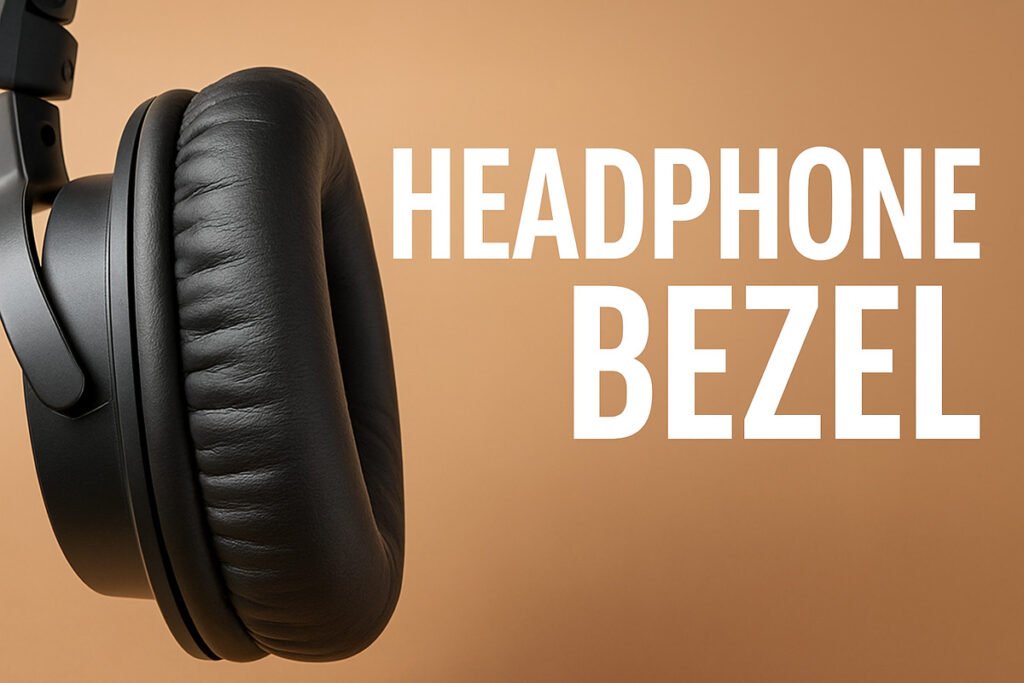

When we talk about a headphone bezel, we mean the rim or housing around the ear-cup that helps secure the driver and earpad. It may seem cosmetic — but it plays a big role in comfort, acoustics, durability, and even aesthetics. Let’s break down everything you need to know about Headphone Bezel.
What Is a “Headphone Bezel”?
The general idea of a “bezel”
The word bezel originally referred to the raised rim that holds a gemstone in a ring or watch — basically, a slanted or flat lip around an inset. In electronics and gadgets, it commonly describes the frame or border around a display or a housing edge.
When applied to headphones (or in DIY/modder circles), “headphone bezel” typically means the outer rim or housing structure around the earcup — the part that holds the driver unit, supports earpads, and connects to the headband.
How it maps to actual headphone anatomy
To understand where the bezel sits, here’s a simplified breakdown of a typical over-ear headphone:
- Driver unit — the speaker inside that creates sound.
- Earcup housing / shell — the container that holds the driver and provides a shape that covers (or sits on) your ear. The “bezel” is basically the rim or outer edge of this housing.
- Earpad / cushion — soft padding that touches your head or ear, attached to the housing rim.
- Headband / yoke / yoke/yoke-arms — the structure that connects the two earcups and lets you wear the headphones comfortably.
In essence, the bezel is that “frame” between the driver and your ear — a functional component that holds everything together.
Why the Bezel (Housing Rim) Is More Than Just Cosmetic
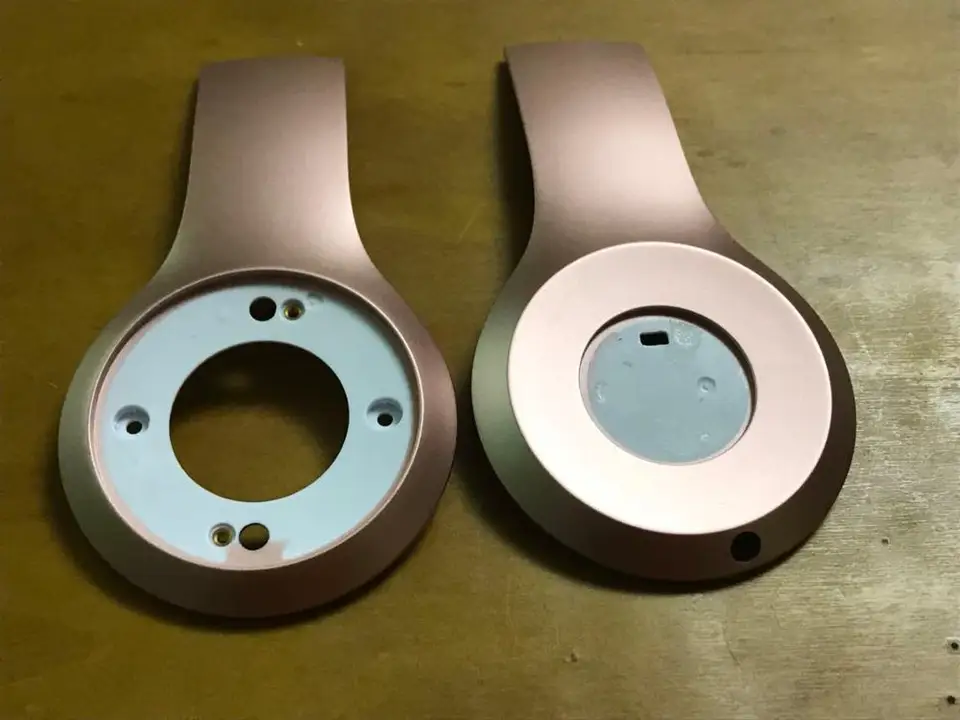
When you first look at headphones, you probably notice the earcups, the pads, and maybe the headband. The housing or bezel tends to fade into the background — but it actually has several very important roles:
1. Sound Performance & Acoustics
- The shape and size of the housing influence internal volume — which can affect bass response, resonance, and how sound is projected or sealed. A different rim design can subtly change the tone of the headphones.
- The headphone bezel holds the driver in position relative to your ear and the pad; a misaligned housing can change how sound waves reach your ear canal.
- The housing edge together with the pad forms the seal or acoustic chamber around your ear — critical for sound isolation and fidelity. If the bezel is too small or poorly shaped, you may get more leakage or less bass presence.
2. Comfort & Fit
- The outer housing’s geometry (how far it extends, whether it’s rounded or flat, how the pads mount) affects how the headphone sits on your head. A well-designed headphone bezel keeps the pad at the right angle for even pressure and balance.
- For extended listening, the bezel’s weight and how that weight is distributed via the headband and yoke can influence how “heavy” or “light” the headphones feel.
3. Durability & Maintenance
- The bezel (housing frame) protects the delicate driver unit inside, shielding it from shocks, impacts, and dust.
- It serves as an anchor for replaceable parts: ear pads, grill covers, maybe even modded components. A sturdy rim makes it easier to swap pads, install custom grills, or perform driver swaps if you mod your headphones.
4. Aesthetics & Customization
- The material, finish, and shape of the bezel contribute to the headphone’s overall look — something especially important for enthusiasts or when customizing.
- In modding communities, enthusiasts may replace or modify the housing rim to create unique finishes, different pad mountings, or special grills — so the headphone bezel becomes a canvas for personalization.
Quick tip: Think of the bezel as the “frame” of your headphone canvas — you might ignore it at first glance, but it shapes what you hear, how you hear, and how comfortable it feels.
Common Materials & Designs — What to Watch For
Different headphones use different housing constructions. Here’s a comparison of common headphone bezel/housing types:
| Housing / Bezel Type | Common Materials | Pros | Cons / Watch-Outs |
|---|---|---|---|
| Plastic molded housing | ABS, PC, reinforced plastic | Lightweight, cost-effective, easy to mold into ergonomic shapes | May feel less premium; can crack under stress; lighter housings sometimes affect bass “slam” |
| Metal housing / metal rim or rim-reinforcement | Aluminum, steel alloys, magnesium | Durable, premium feel, often better acoustic stability | Heavier, more expensive, can feel cold or heavy over long sessions |
| Wood / Composite housing (rare) | Wood, resin composite | Unique look, warmer tonal character (some audiophiles believe) | More fragile, hard to manufacture consistently, not ideal for portable gear |
| Hybrid housing (plastic shell + metal rim or reinforcement) | Mix of above | Balanced weight, durability, aesthetics | Complexity in manufacturing; sometimes difficult to mod or repair |
What this means for you: If you value portability and lightweight comfort (e.g. commuting, mobile use), a well-designed plastic housing might suffice. For studio work or heavy use, metal or hybrid housing offers sturdiness and consistent performance.
When & Why You Might Want to Replace or Customize the Bezel
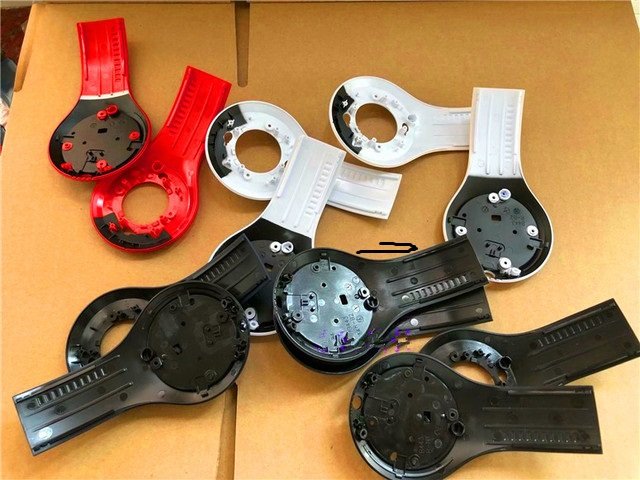
There are several situations where changing the headphone bezel or housing rim makes sense:
- Worn-out ear pads or broken housing: If the original earbuds or housing crack, a replacement bezel/housing can revive otherwise good headphones.
- Comfort upgrade: Swapping to a housing with better ergonomics — improved pad angle, lighter weight, or smoother edges — can make long listening sessions much more pleasant.
- Sound tuning or modding: Some modders report tonal changes (especially in bass and resonance) when switching housing types — e.g. using thicker vs thinner walls, different materials.
- Aesthetic personalization: Unique finishes, colors, or materials let you own headphones that stand out, or match your style (studio, gaming rig, streetwear-friendly, etc.).
But with those benefits come trade-offs. Let’s explore pros and cons before you commit.
Pros & Cons: Customizing the Headphone Bezel
Pros
- Improved comfort / fit — especially if the original housing was bulky or heavy.
- Refreshed durability — new housing can make older headphones usable again.
- Custom look & feel — stand out with unique finishes or materials.
- Potential sound tuning — for modders: adjust resonance, isolation, or response by choosing housing with different internal volume or material damping.
- Easier maintenance and upgrades — easier pad replacement, driver swaps, or even DIY mods.
Cons
- Cost and complexity — aftermarket bezels or custom housings can be costly; installation may require tools or technical know-how.
- Compatibility issues — not all housings fit every headphone driver or yoke; risk of misfit or damage.
- Weight or balance problems — heavier materials may make headphones less wearable for long sessions.
- Potential sound degradation — a poorly designed housing may introduce rattles, leaks, or unintended resonance.
- Warranty / resale impact — modifications may void manufacturer warranty and reduce resale value.
Choosing the Right Bezel / Housing: What to Prioritize
Here’s a quick checklist to guide your decision — whether buying new headphones or replacing a bezel:
- Compatibility – Make sure the housing matches driver dimensions, yoke attachment, and pad mounting style.
- Material and weight – If you use headphones on the go, prioritize lightweight plastic or hybrid housings; for studio/stationary use, metal or composite may be worth it.
- Ergonomics and pad design – Look for rim geometry that aligns pads comfortably around your ears, avoids pressure points, and ensures a proper seal.
- Acoustic properties – If possible, find housings with good internal damping or a design optimized for your driver’s acoustic profile.
- Durability and maintenance – Choose a housing that’s rugged, resistant to wear and tear, and allows for pad or driver replacements.
- Aesthetics (if relevant) – Does the finish match your style? Are you OK with a glossy shell, matte, brushed metal, or wood?
Expert & DIY Perspectives

- According to audio-gear glossaries, the earpiece housing is a vital part of headphones — it encloses the driver and must accommodate ear shape while balancing size, weight, and comfort.
- As headphone design continues evolving (especially with wireless and portable models), manufacturers experiment with housing shapes, materials, and adjustment mechanisms to balance sound quality, comfort, and style.
- DIY modders (in forum and audio communities) often treat the headphone bezel or housing like the “skeleton” of a mod — removing ear pads, replacing shells, and even fabricating custom rims to tweak sound signature or ergonomics. While we don’t have formal academic studies on how much a housing change affects frequency response, many enthusiasts note perceptible difference — especially in bass response and noise isolation.
So if you’re comfortable experimenting — customizing your headphone bezel/housing can be a meaningful upgrade. As one headphone user on Reddit put it:
“What makes a headphone a headphone is a headphone … if you change the headband or the pads, it’s still the same headphone with different pants.”
But if you swap the housing around the driver, you might be stepping beyond “pants” — into a different headset altogether.
FAQs (Frequently Asked Questions)
Q1: Do all headphones use a “bezel” or housing rim?
Not exactly. All over-ear or on-ear headphones use some form of housing to contain the driver and pad — but most aren’t labeled “bezel”. The term is more common in electronics like screens, or among modders describing the rim/housing.
Q2: Does changing the housing really change the sound of headphones?
It can, especially if the new housing alters internal volume, material resonance, or how well the ear seals with the pad. Many modders report changes in bass presence or soundstage after housing swaps — though effects can be subtle and vary by driver and pad combination.
Q3: Are certain materials better than others for ear-cup housings?
Yes — plastics (like ABS) are light and affordable, good for portability. Metals (aluminum, magnesium) add durability and premium feel. Composites or wood are niche, sometimes giving a “warmer” tonal character, but they’re less common and harder to manufacture reliably.
Q4: If I damage my headphone’s housing, can I simply replace the bezel?
Sometimes yes — if the parts are available and compatible. Many high-end headphones use modular housings, allowing for repairs or pad swaps. But cheap or sealed designs may not allow headphone bezel replacement easily.
Q5: Will a heavier metal housing make headphones uncomfortably heavy?
Possibly. Weight distribution matters — some metal housings can make the earcups feel heavier, which might cause fatigue over long use. On the flip side, properly balanced metal housing tends to feel more stable and durable.
Q6: Does customizing the housing void my warranty?
Often yes. Most manufacturers consider housing or driver-housing modifications a violation of their warranty terms. Before any mod or swap — check your warranty carefully.
Q7: For most casual listeners, is housing design that important?
It depends. If you use headphones occasionally for casual listening or commuting, housing matters less than comfort, driver quality, and pad type. But if you care about sound fidelity, comfort for long listening sessions, durability, or custom style, then housing design — the headphone bezel — becomes quite important.
Final Thoughts & Actionable Takeaway
Alright — now you know what a “headphone bezel” is (the outer rim or housing around the earcup), why it matters, and what to consider if you plan to choose, replace or even mod one.
Here’s what you can do next:
- When buying new headphones, pay attention not just to the driver specs — check the housing material, earcup shape, and pad compatibility.
- If you’re upgrading or repairing older headphones, explore compatible replacement housings — but double-check driver alignment and pad fit.
- If you care about sound tuning or personal style, consider custom housing options — but remember the trade-offs (weight, warranty, acoustics).


