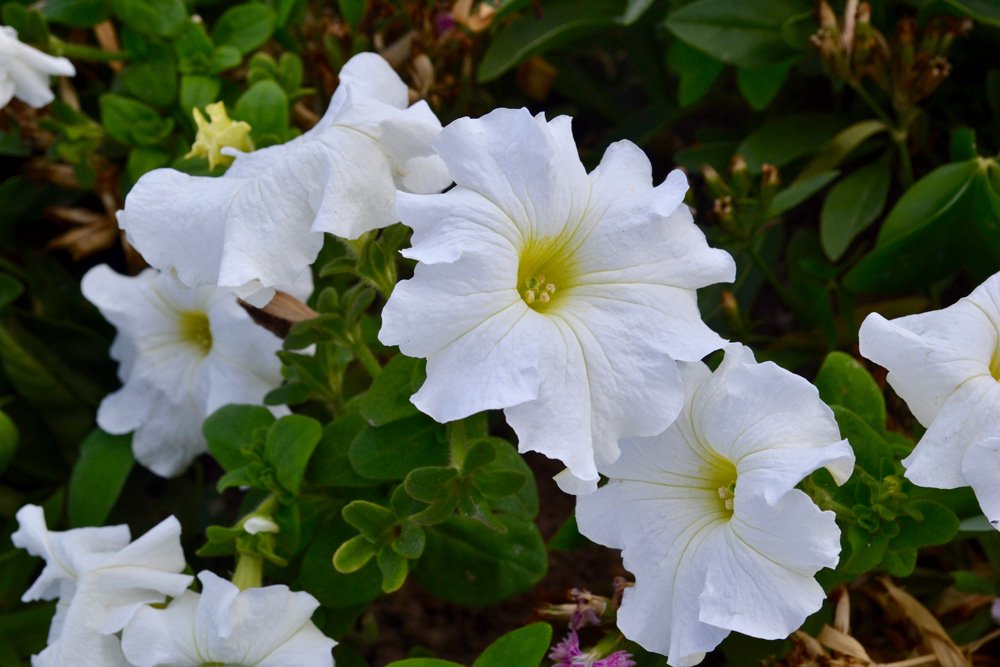

There are flowers that make you smile in daylight, and then there are flowers that wait until the world gets quiet. The moon lily belongs to the second category—a plant that deliberately blooms under darkness, releasing scent, softness, and glow after sunset. Its opening petals almost mimic moonlight in motion, making it a striking addition to late-evening patios, moonlit gardens, meditation spaces, and silent corners of courtyards.
Despite its dreamlike presence, the moon lily is not just a poetic symbol. It holds centuries of cultural significance, appears in mythological stories, and continues to inspire gardeners, florists, and even interior designers. If you’ve ever wanted to grow a plant that brings elegance without demanding constant maintenance, this is one worth knowing well. Let’s explore how it grows, what it means, and why it has earned such admiration around the world.
What Is a Moon Lily?
A moon lily is a white, night-blooming plant known for its luminous glow and scent released after dusk. Although several plants are referred to by this name, the most common include:
- Ipomoea alba (true moonflower)
- Lilium candidum (classic white lily often associated with moon gardens)
- Datura inoxia (large, dramatic, but toxic to consume)
While not all are technically lilies, the shared visual purity and nighttime blooming have grouped them under the term “moon lily.”
History & Origins
Moon lilies have appeared throughout history in poetry, mythology, and ceremonial gardens. The Greeks linked white lilies to purity and divine femininity. In Victorian times, gardeners cultivated moon gardens—spaces designed specifically to glow at night using pale flowers and reflective surfaces. The moon lily became the icon of that design movement.
Symbolism & Meaning
The moon lily carries deep symbolic layers, many of them tied to transformation, renewal, and serenity.
| Meaning | Interpretation |
|---|---|
| Purity | Associated with spiritual innocence and clarity |
| Renewal | Night blooming represents rebirth and transition |
| Calmness | Linked to moonlight and emotional quiet |
| Spiritual awakening | Used in meditation and lunar ceremonies |
Moon Lily Varieties
Different species fall under the moon lily umbrella, each offering unique benefits.
Ipomoea alba
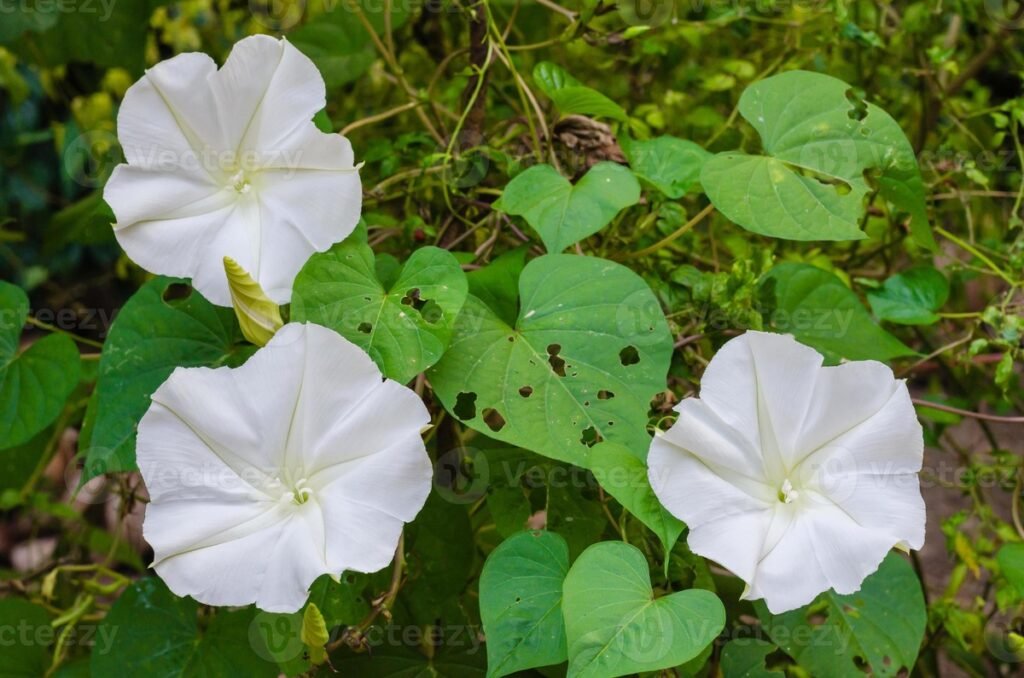
- Fast-growing vine
- Trumpet-shaped blooms
- Notable nighttime scent
Lilium candidum
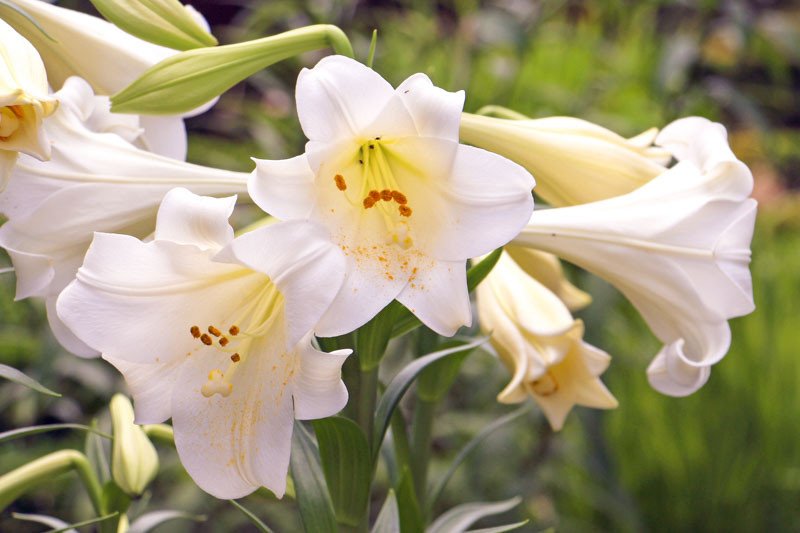
- Upright white lily
- Traditional cultural symbolism
- Smooth, glossy petals
Datura
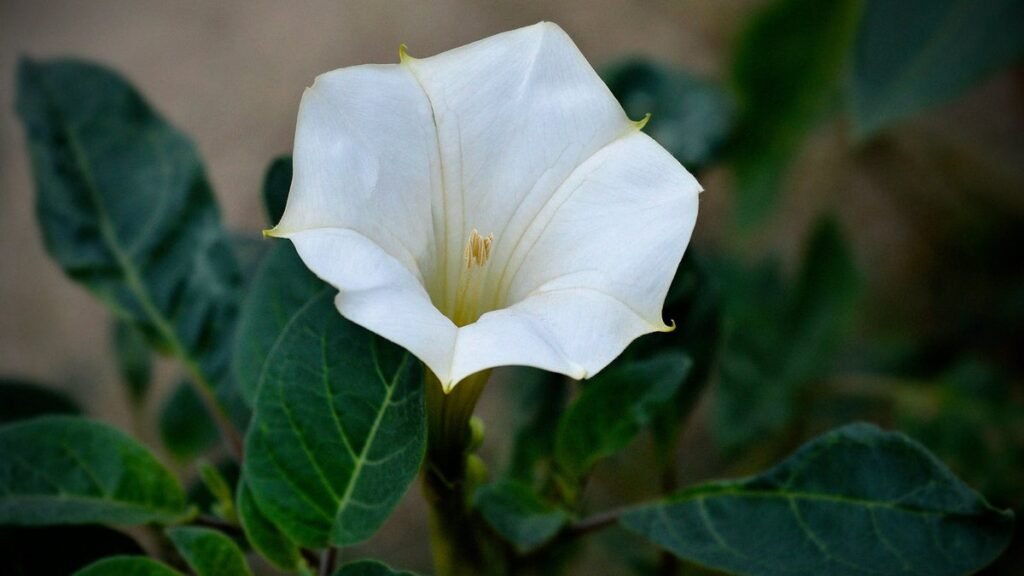
- Exceptionally large blooms
- Often used ornamentally
- Requires careful handling due to toxicity
How to Grow Moon Lily
Soil Requirements
Moon lilies prefer well-draining, organic-rich soil with neutral to slightly acidic pH levels. A mix of compost, peat moss, and coarse sand improves aeration.
Light & Temperature
Although they bloom at night, moon lilies need strong daylight exposure. Full sun is essential. Ideal temperatures range between 21–30°C (70–86°F). They do not tolerate frost.
Watering Needs
They should be watered deeply but sparingly.
- Water twice weekly in warm months
- Reduce watering in cooler seasons
- Avoid wet foliage at night to prevent fungal buildup
Fertilizing Guide
For healthier blooms, fertilize consistently.
| Fertilizer Type | Frequency |
|---|---|
| Balanced 10-10-10 | Every 4 weeks |
| Bone meal | At planting |
| Seaweed extract | Monthly |
Moon Lily Care Tips
To keep your moon lily thriving:
- Provide a trellis for vine varieties
- Remove spent flowers to encourage fresh growth
- Trim after peak bloom season
- Use natural pest control methods such as neem-based sprays
Blooming Patterns: Why It Shines at Night
Moon lilies open after sunset to attract nocturnal pollinators such as moths. Their pale color reflects moonlight, guiding nighttime insects. This adaptation makes them a striking botanical example of nature meeting timing perfectly.
Moon Lily in Home Décor
Moon lilies are often incorporated into:
- Evening garden seating spaces
- Minimalist indoor arrangements (non-toxic varieties only)
- Candle-lit patios
- Soft white event themes
- Meditative corners
Their quiet glow and gentle fragrance make them ideal for relaxation spaces.
Benefits & Uses
Aesthetic Benefits
They enhance moonlit gardens and create an atmosphere of calm.
Ecological Role
They support night pollinators, contributing to garden biodiversity.
Ritual & Wellness Spaces
Often used in reflective spaces due to their symbolic purity and calm visual presence.
Common Problems & Fixes
| Issue | Cause | Solution |
|---|---|---|
| Yellowing leaves | Overwatering | Improve drainage and reduce watering |
| Fungal spots | Poor airflow | Increase spacing and apply neem |
| No blooms | Lack of sunlight | Relocate to full sun |
| Leaf curling | Pest infestation | Use natural insecticidal soap |
Pros & Cons
| Pros | Cons |
|---|---|
| Strong nighttime fragrance | Some species toxic if consumed |
| Low-maintenance growth | Sensitive to cold |
| Ideal for moon gardens | Requires routine trimming |
| Fast bloom cycles | Needs full sunlight |
FAQs
Is the moon lily poisonous?
Datura species are toxic if ingested. Ipomoea alba and Lilium variants are not edible but not dangerously poisonous.
Can moon lilies grow indoors?
Yes, with sufficient sunlight, ventilation, and pot support.
Why isn’t mine blooming?
Generally, lack of sunlight during the day is the reason.
Do they attract insects?
Yes, mainly nighttime moths involved in pollination.
How often should they be fertilized?
Monthly during blooming seasons.
Are they fragrant?
They are especially fragrant during their evening opening cycle.
Can they be propagated?
Yes, through seeds or stem cuttings depending on the species.
Final Takeaway
The moon lily is more than a decorative bloom. Its nocturnal flowering, fragrance, and symbolic meaning make it one of the most distinctive plants for evening landscapes, calm corners, and moonlit patios. If you want a plant that adds presence without demanding excessive care, this is a botanical choice worth embracing.
If you enjoyed this guide and want to explore more rare or meaningful blooms, feel free to continue reading through related plant features and garden design insights.
About me
Learn more about me

